Week 3

This week is going to be all about the creative ways we can use the plastics we already have from our regular use.

So now we’ve switched to a less plastic-consuming way to drink clean and safe water (my previous post). But… what about all the empty bottles we have from when we used to buy water in plastics every now and then? Well if you haven’t thrown them (all) away, you actually can reuse these bottles in very simple way even around your house or place of living.

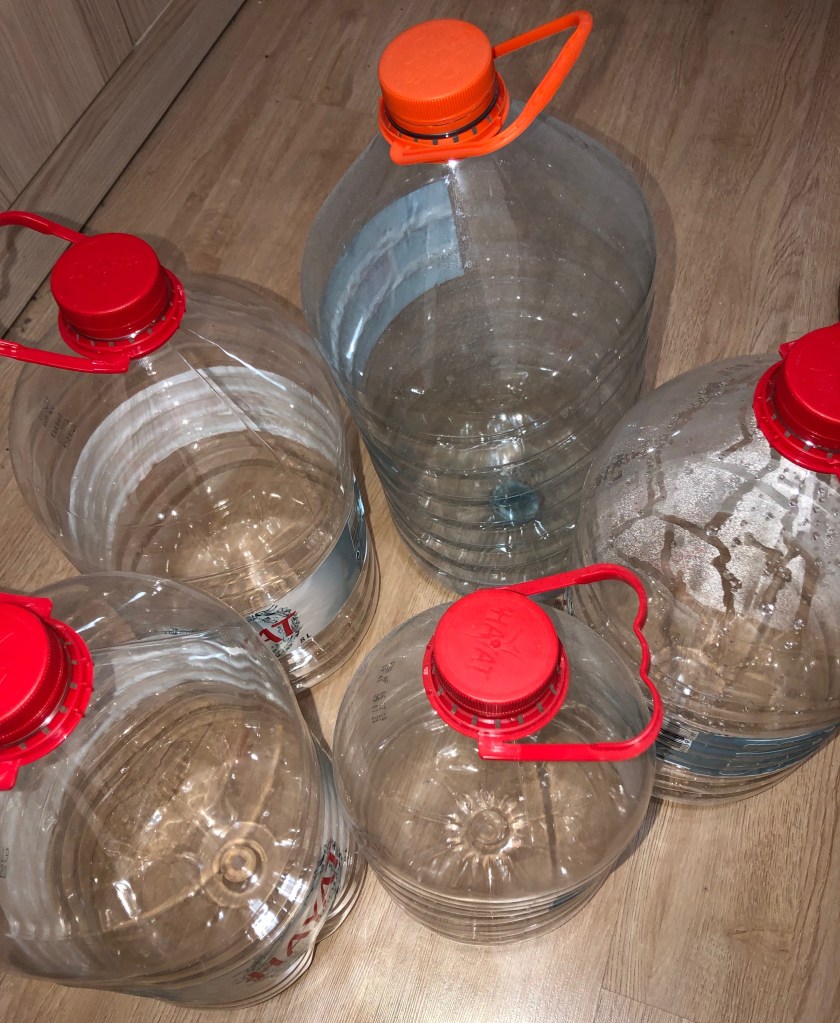
A plastic bottle only becomes waste if you have no use for it anymore. And luckily we just used these bottles for water so we don’t have to spend any time or resources cleaning anything or getting anything in shape to be used again for something else. And the ‘something else’ that I’m going to use mine for, is a trash bin.
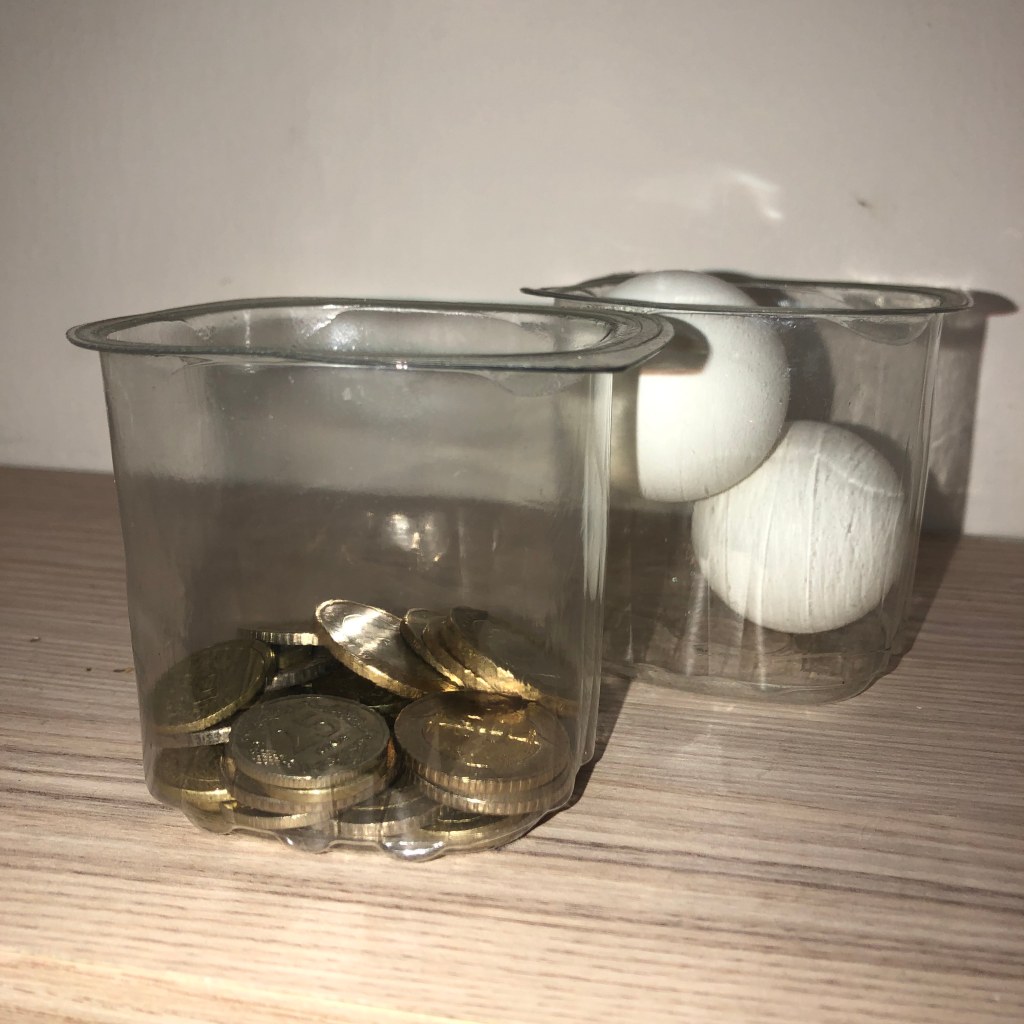
Holders for coins and ping pong balls
Photo credit: Author

I have a friend and housemate at my university, studying architecture, who’s a little fascinated with reusing materials or pieces of one thing to make or build something else. I believe it’s the blend of conservation and creativity that interests him. Anyways we both decided to take the empty 5 litre and 8 litre bottles and reuse them as mini trash bins that we placed conveniently around the house. We used old plastic bags inside them as trash bags too. For smaller bottles, we use them now as containers for detergent, salt, sugar and the likes. I’ve also even decided to use empty 200ml plastics as coin holders that i have on my shelf in my room. He keeps everything else as “material” for future school or personal projects, turning everything now into basically something useful.
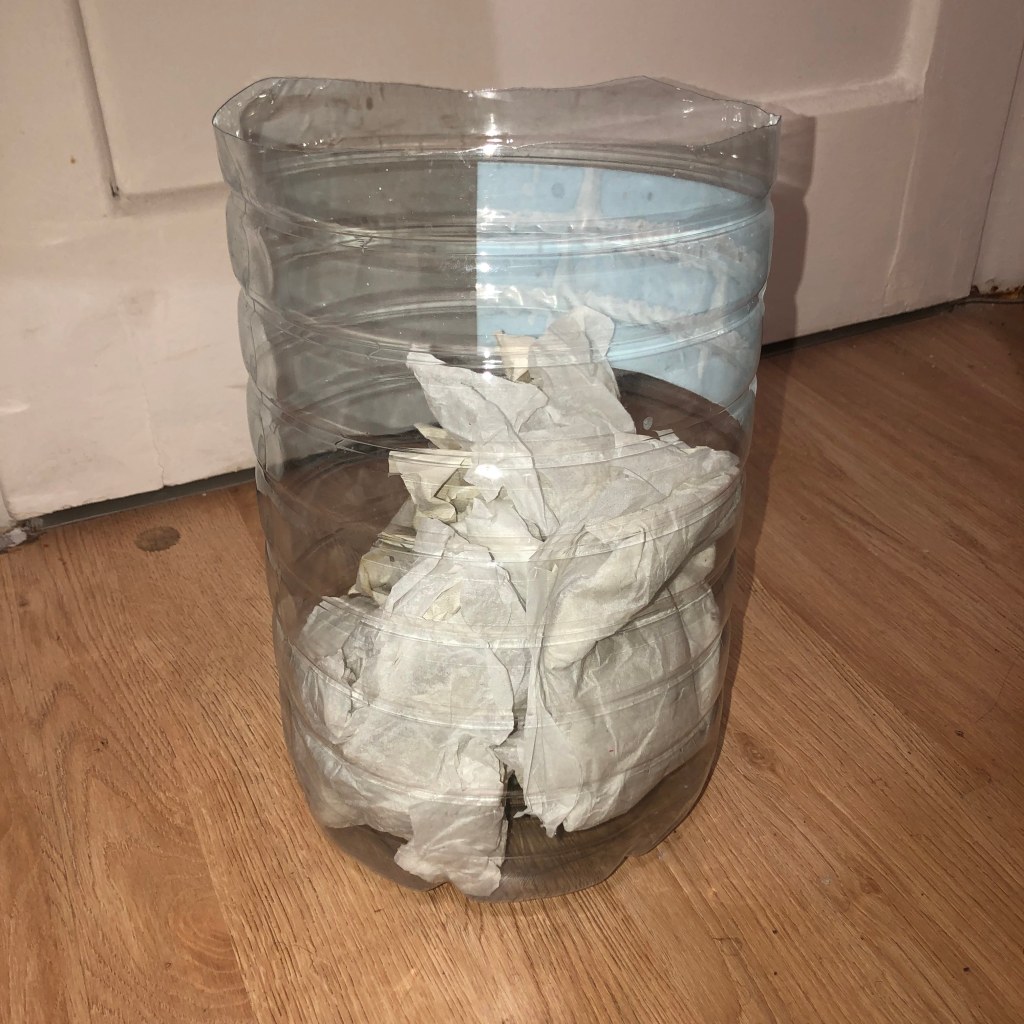
Empty plastic bottle turned to trash
Photo Credit: Author

You too can decide to take something you don’t use anymore and find ways in which they can be beneficial to you. It could be with empty plastic bottles or plastic bags, the fabric from old clothes, it could even be paper. Any way that we change how we use or dispose things like this, little or not, can eventually become for our environment.

Together, we can make a difference.

By Feyisayo Akinola
Week 2 – Drink Water With Less Plastic Waste

So today is the first day we actually take a step in reducing our (my) plastic consumption with regards to water.

As i wrote in my previous post, to reduce and completely eliminate my plastic consumption with water, i planned on switching to a regular water home-delivery service that would result in zero plastic waste on my end.

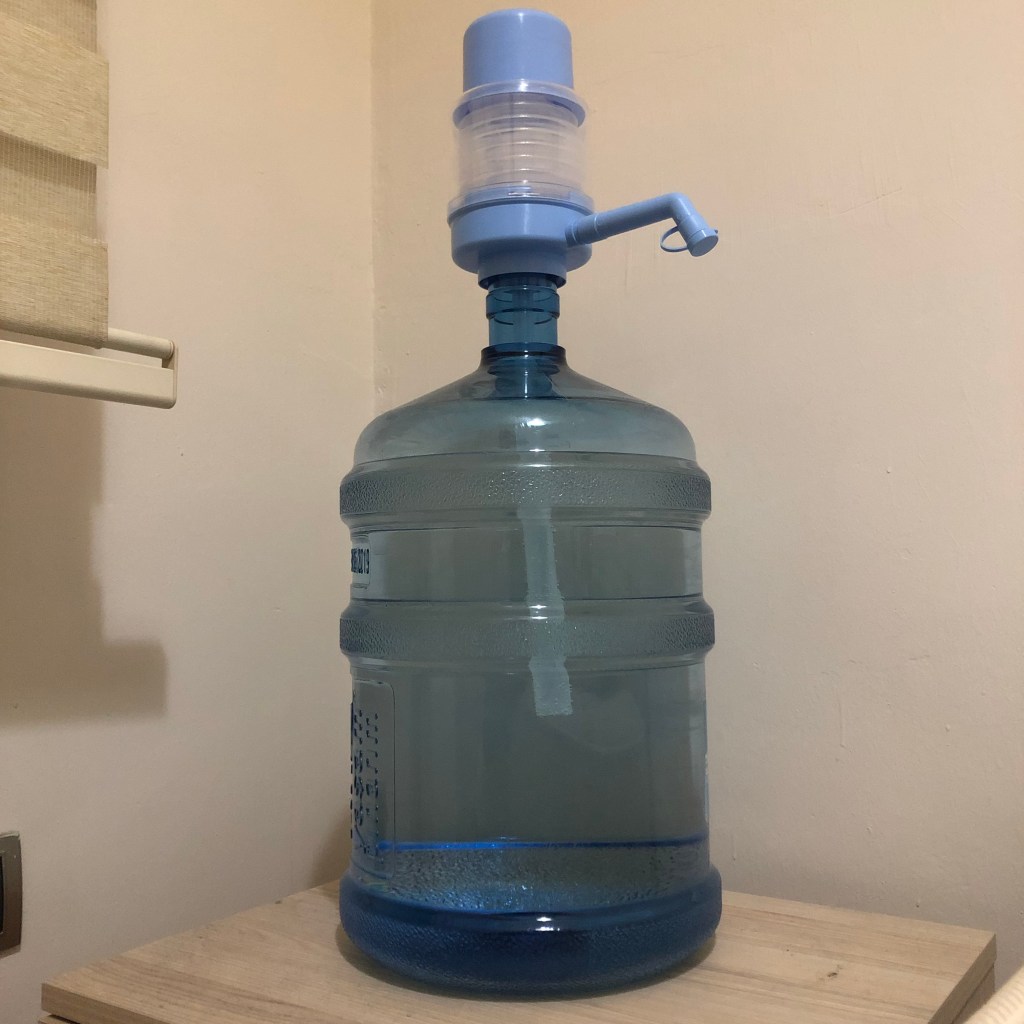
The water service i switched to (as opposed to buying water in plastics regularly).
Photo Credit: Author

I did my research and with the help of a mobile application, i learned of the water companies that offer these delivery services in my city Kayseri. Quite effective, the app even lets you create a subscription to a company so that every time you order, you don’t have to resend necessary information like your address or phone number- this makes orders with the app significantly easier. As a bonus feature, the app also gives information of the pH value of the water provided by all the different companies for you to compare, and of course i went with the one with the best or healthiest pH value.

Apparently the company behind the app is working UNICEF to donate clean water enough for 5 children for one day with every order you make with their app. The app is called BiSU by the way. If you’re reading this and you’re in Turkey and you’re interested in switching to a water plan that contributes less to your overall plastic footprint, then i suggest using the app. And like myself, you too can help be a part of giving clean water to children in need all around the world.

Together, we can make a difference.

By Feyisayo Akinola
WHAT CAN I CHANGE IN A WEEK?

On the issue of responsible consumption, there is one topic that particularly peaks my interest- plastics. We all know how the wrong disposal of plastic can pollute the oceans- whatever doesn’t wash back up on shore poses a threat to all marine life. Land disposal as well; shipping of trash to other countries, improper recycling or no recycling at all, and so on.

Plastic water bottles
Photo Credit: Author

Although i have two large shopping bags that i have so i don’t have to buy plastic bags, there was still a lot i could do to reduce my own plastic footprint. It was only recently when cleaning out my room that i realized how much plastic I’d been consuming from buying 1.5, 5, and 8 Litre bottles. It was a lot, most of which probably won’t be properly recycled even if i throw them away properly. If i hadn’t been stacking them up, i wouldn’t have actually understood how much plastic only i have consumed in just a month. And considering how many other people are buying just as much or even more bottles of water, well… let’s just say an incredibly high amount of plastic.

I had to do something. For one, I’m planning on working with my friend in Architecture in turning some empty bottles i have into mini trash bins around the house. And for the solution for a new source of drinking water, i found out that there are water companies that deliver 19 Liter water bottles (damacana) right to our doorsteps. Although these bottles are plastic, we never really throw them away because the company just takes the empty bottles and replaces them with new full ones. The empty ones, I’m guessing, is then cleaned in the factories and refilled with water. That’s a lot of plastic saved, and i made some calculations showing that I’m actually saving money too. A win for me, and a win for the environment.

I will as well put my friends who buy a lot of water bottles on this too as i think that it’s a great idea to make a huge difference with small changes.

By Feyisayo Akinola

CARBON EMISSION FROM GRILLS ON CAMPUS

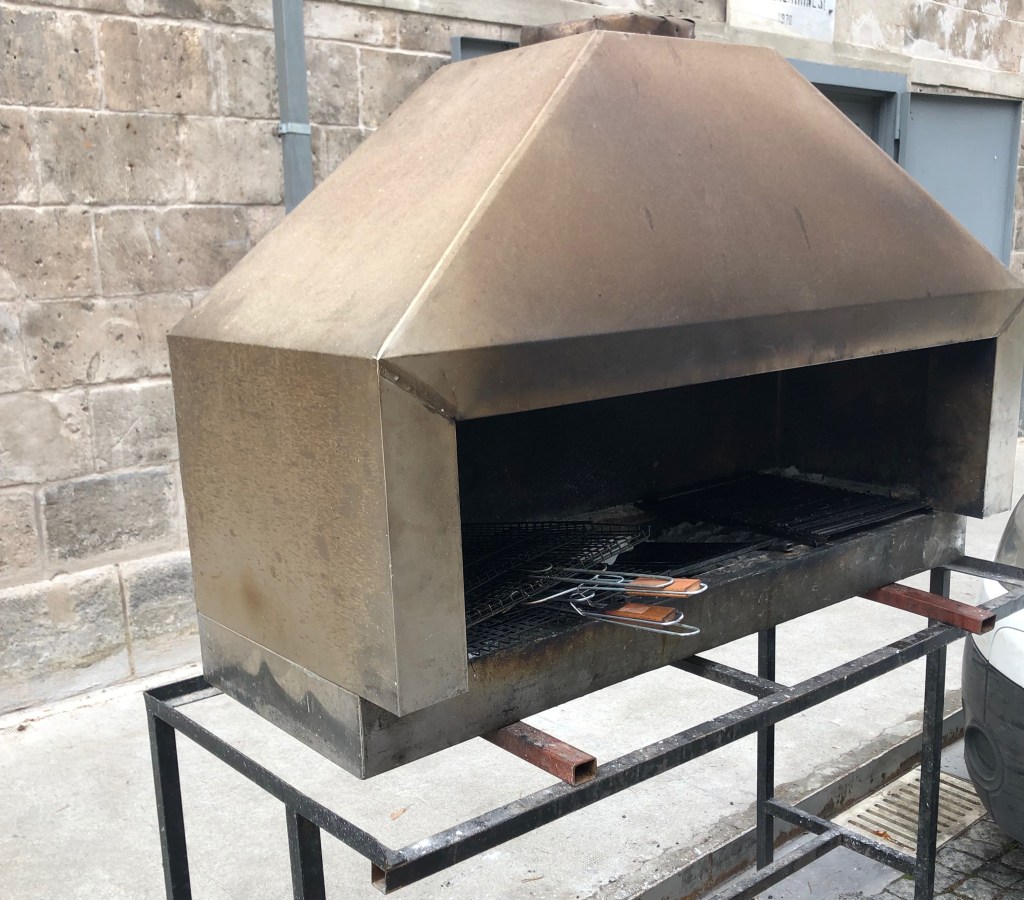
University Grill
Photo Credit: Author

Our unversity offers a certain dish once in a while for lunch in the cafeteria- Mangal or grilled food (usually chicken). Although traditionally all around the world, grilled chicken is cooked on an actual grill with charcoal, this actually raises the percentage of the carbon dioxide constituent of the atmosphere. The burning of charcoal creates a reaction with oxygen that releases carbon monoxide, carbon dioxide, other gases and water. The initial production of charcoal actually involves the continuous burning of wood (cut from trees that absorb carbon dioxide and release oxygen) for days which releases several gases. One of which is methane which is a greenhouse gas just like carbon dioxide.
Cooking of food on a grill essentially gives the food a ‘smokey’ flavour, but all that smoke isn’t just going into the taste but the air around us. The main consequence of that cooking method is amount of carbon dioxide and other harmful gases released into the atmosphere, raising the carbon footprint of the university itself and everyone paying for the meal. I believe that the university can reduce its carbon emissions to an extent by either looking for alternative ways to cook certain dish or changing its menu a little to not include food whose preparation process poses a threat to our environment.

By Feyisayo Akinola

CARBON EMISSION REDUCTION IN AUSTRALIAN RED MEAT SECTOR

In 2017, Australia was the world’s third largest exporter of red meat. This makes the red meat sector an important part of the country’s economy- contributing around $18.4 billion in GDP in 2016-2017, according to Meat and Livestock Australia. However, with all that meat production comes greenhouse gas emissions. In a move to greatly reduce the carbon emissions of the production of red meat, the Australian government is working with Commonwealth Scientific and Industrial Research Organization (CSIRO) to first identify and establish the causes or sources of greenhouse gas emissions, and then invest in a research aimed at developing new ways to reduce these emissions as well as increasing productivity gains in the red meat sector.
This project is of great significance as the red meat sector is responsible for as much as 13% of Australia’s total emissions (Commonwealth of Australia 2017). Australia’s move in the red meat sector isn’t just to reduce emissions but to become completely carbon neutral by 2030 (the first country to do so) through advancements in this research project.
This project is both beneficial to the environment and Australia’s government, and with progress, other governments would soon follow suit in a global reduction and soon elimination of carbon emissions of red meat production.

By Feyisayo Akinola

References:
https://research.csiro.au/foodglobalsecurity/our-research-2/pastures/carbon-neutral-red-meat/
https://www.mla.com.au/about-mla/the-red-meat-industry/#