Problem topic: Wasted foods in AGU’s cafeteria
Problem definition: AGU students who eat in the university’s dining hall are taking meals which they can’t finish all of them. Therefore ending up wasting food.
Survey results: A survey was conducted randomly for AGU students and it is founded that 92.3 % of survey participants have eaten their lunch in the cafeteria with a ratio of ½ of them eat five times a week. 80% of the respondents are not able to finish their foods.
38 % of the students waste food because they simply don’t like them. 37% think that the food is not cooked well. And the remaining students have mixed opinions like they think the portions are too big or they are spicy/salty or they are eating the food before they are hungry. We have also conducted this research to find out what are the most wasted foods. The most wasted meal is the main meal by 58% percent followed by rice (41%) and soup with 37% [1].
It is found out from the survey that even though participants are not satisfied with the dining hall’s service they prefer to eat in the cafeteria because there is no enough place to eat both cheap and delicious meals. Also, there is a bias about women eat less than men so it is believed women waste more food than men. Actually, according to the survey results, women choose vegetables and approximately 50.6% of them waste their main course. On the other hand, men choose meat and 70 % of them waste their main course. So unproven believe is not real at all, men have a higher carbon footprint comparing to women about food consumption.
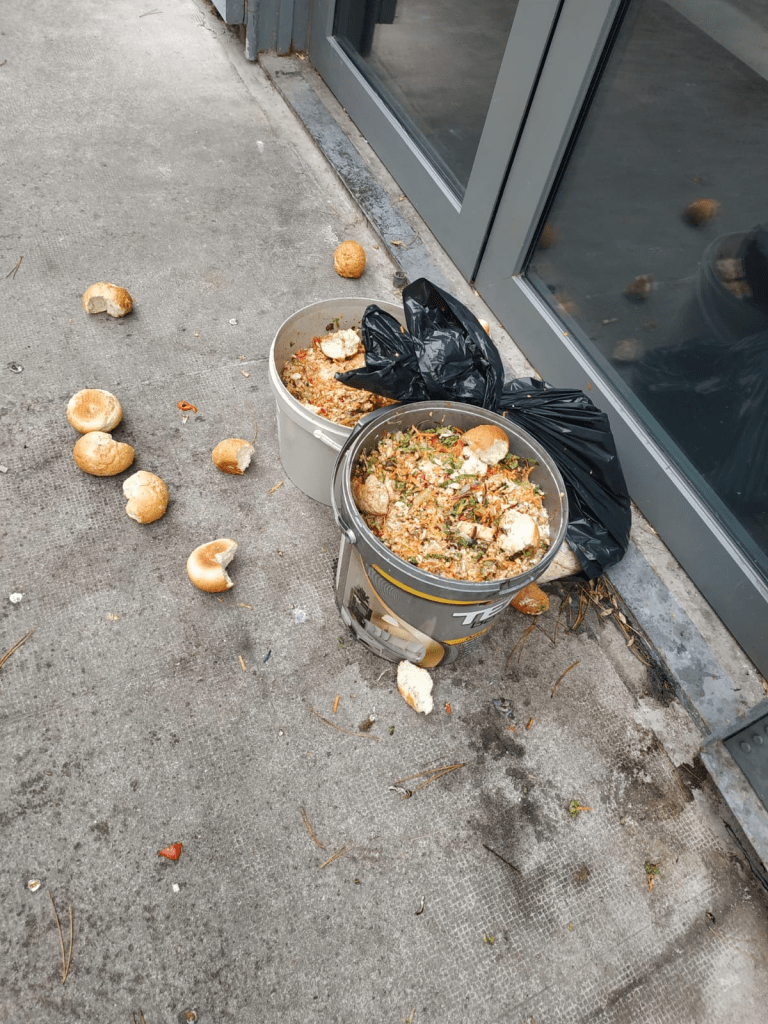
Picture 1: Wasted bread and salad at the AGU’s cafeteria in a day
As it can be seen in picture 1 only the amount of waste bread and salad is around two buckets and this is not the only food that is wasted at the cafeteria.
Model Solutions:
Our bat group plans to decrease wasted foods by changing the food providers or changing menu so that people who eat in the cafeteria may like the foods more. Also, we are going to arrange the portions given in the cafeteria.
In addition, we have an alternative plan to feed the animals in animal shelters with wasted foods.
1. The catering company will be changed, so the menu and also the taste of the food change. From the survey results, it is certain that most of the students are wasting their meals because they don’t like their tastes. Given the fact that Kayseri is a big city and there will probably be better food providers around the city, it shouldn’t be hard to find a provider that students actually like eating from. It will also help to refresh the mood around the university where for years eating the same types of food. Therefore, both students and the environment will get benefited from this solution. To change the food providers, the administration of AGU should find a food provider to provide lunch in the cafeteria. Also, we are going to need a catering company that contracts with the university. It is not going to cause a cost.
In contrast, maybe university’s dining hall will have a catering company that provides meals for a lower cost and has more delicious foods. But the process of finding a new food provider will take some time.
2. Just the menu alone can be changed by analyzing what students are wasting the most. How the plan is going to work with the help of the food serving crew. They are the ones who are washing the dishes, taking up the leftovers and unloading the wasted food so they will be aware of what is being wasted the most. Each week the crew will detect the most wasted food and next week that food type will be replaced with another type of food and the research will go on. It is expected that within a year we will be able to determine the exact food combination which minimizes the wasted food.
This method requires less work and resources than the first one but it will not bring the same amount of refreshment which comes with the first method. And also it requires a long time to determine the most wasted foods. There may be another issue: we are not sure about the new foods that are not going to be wasted. So during the period (we assume it is 1 year), the waste will run on.
3. The default portions will get smaller and bigger portions will be given to the ones who requested. According to the survey we have conducted, while some people think that the given portions are not enough, some people think the opposite. None of them can be claimed to be wrong. It is about their desires and capabilities. Therefore, we designed this simple solution to leave the decision into students whether they want the previous “big” sized portions or the new small ones. Actually, the students can switch the portion to a smaller one by talking with the food serving crew. But in reality, most of the students are being timid to express themselves or they will not want to linger when some people wait in order to take the foods. For that, the crew can intentionally prepare small and big portions together to leave the decision to the students or an informing paper can be hanged somewhere in the dining hall to inform students that they can decide the size of the portions.
For this solution crew and people who eat in the cafeteria will take the stage. When people decide about the size of portions, the crew is going to rearrange the portions. But there may be a disagreement about the sizes. So it is not going to be an exact solution for the waste.
Another way to arrange the portions is self-service. In this way, everyone gets the amount of food that they are capable to finish. This solution also requires fewer people in the serving crew and by making the students decide and prepare their portions; therefore, making the students will be more pleased with the “IKEA effect”.
In this solution, students are the ones that arrange their portions. There will be no cost; on the contrary, the catering company will have fewer employees so they will pay less. But there are possible problems: there will be congestion to take the food.
Another problem is that there should be a crew to check if the students are taking more food than they should and it shouldn’t be ignored that there will be students who will try to break the limits. Therefore it will serve for the exact opposite purpose by increasing the waste.
4. The wasted food will be sent to feed the animals in an animal shelter. Whatever we try, there will be always some waste. This method is the addition of all the methods above to make use of wasted food while taking care of the animals. For this solution, the administration of AGU and the municipality will be the stakeholders. Firs administration of AGU should concert with the animal shelter and also with the Kocasinan municipality to send a vehicle to take up the wasted foods daily. It will cause some costs (to fuel the vehicle). Also, it should be sustained for long times. But in the end, there will be not waste as much as before.
Also, this solution is easily applicable for instance the rector of Çankırı Karatekin University has instructed that leftovers from the University’s cafeteria are given for the animals in an animal shelter (Çankırı Belediyesi Sokak Hayvanları Bakım ve Rehabilitasyon Merkezi) in 2018 and it has been practicing for 2 years[2].
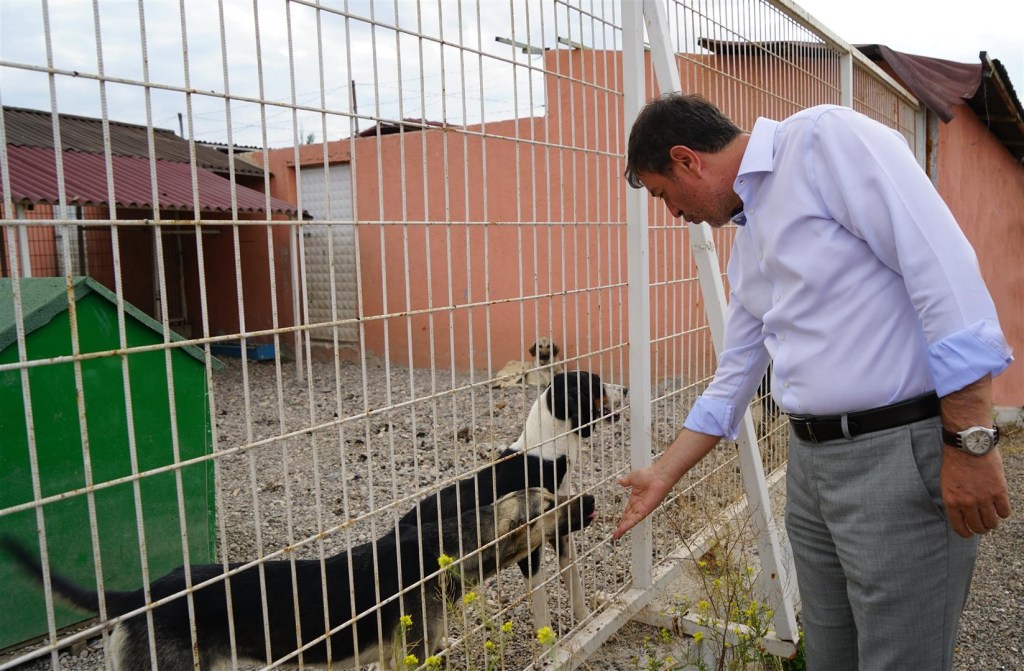
Picture 2: A photo from Çankırı Karatekin University about what have done with waste food [2].
References
 FOOD CONSUMPTION